About
Who you'll be working with
Drydock Software is an independent consultancy in Cardiff. Every engagement is senior-led from first look to final verdict: the engineer who assesses your system is the one who answers for the findings.
Why "Drydock"?
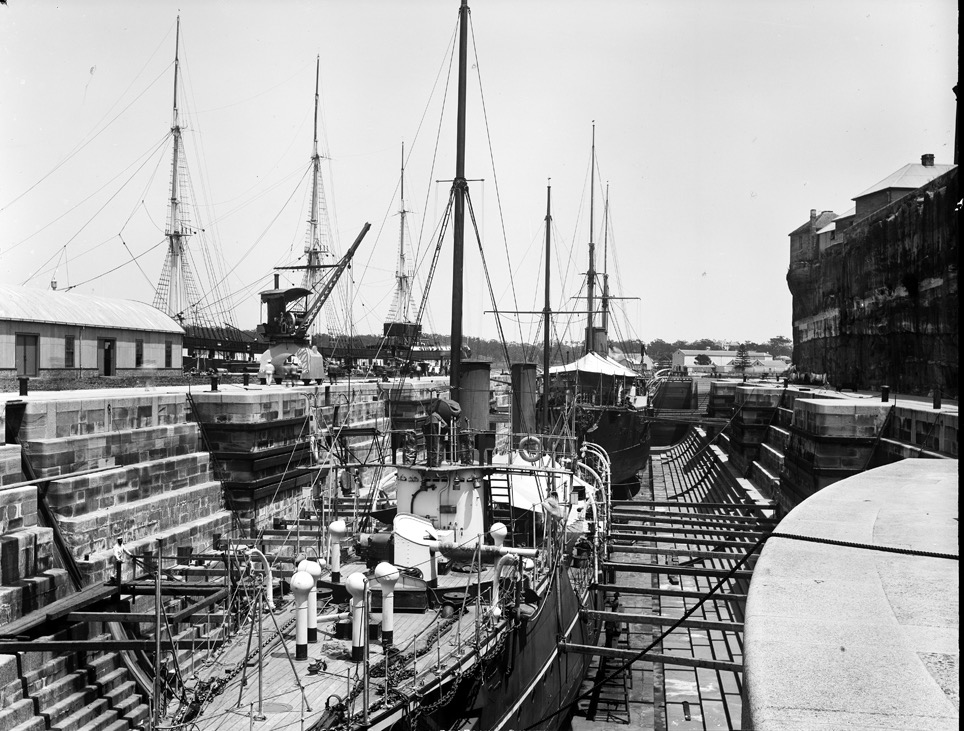
A dry dock is where a working ship comes out of the water so that engineers can see the whole hull, including the parts that normally sit hidden below the waterline. The ship is inspected, repaired where it needs it, and floated out seaworthy. Nobody thinks less of a vessel for coming in. It's simply how serious ships are kept safe.
That's this business in one picture. Software built at speed, whether with AI or by an outside supplier, spends its whole life in the water with nobody looking underneath. We bring it into the dock, examine everything below the waterline, fix what needs fixing and send it back out sound.
Why trust Drydock with your software?
Behind Drydock is more than thirty years of building software professionally, through senior and principal engineering roles and on to running engineering as a technology leader. A run that long teaches the more useful half of this job: explaining technical risk to people who have a business to run, in terms of money, customers and sleep rather than jargon.
We were early adopters of the LLM technology behind today's AI coding tools, and we still use those tools every day, at an expert level. That's precisely why we're useful when they've made a mess. AI-generated code fails in distinctive, recognisable patterns, and when you've watched the tools cut those corners a thousand times, you know where to look on the first afternoon rather than the third week.
And this has been done before. Drydock grew out of rescuing exactly these systems: software built at speed that had started costing more than it earned. Ask about the war stories when we talk; they're instructive, and some of them are even funny now.
What you can hold us to
A straight verdict, in writing, in plain English, from the engineer who did the work. If you don't need us, we'll say so. We don't do blame, least of all when someone else's supplier dropped the mess on you, and we don't quote rewrites for things a repair would fix.